What Is Relegation in Soccer? Promotion, Drop Zones and Play-offs

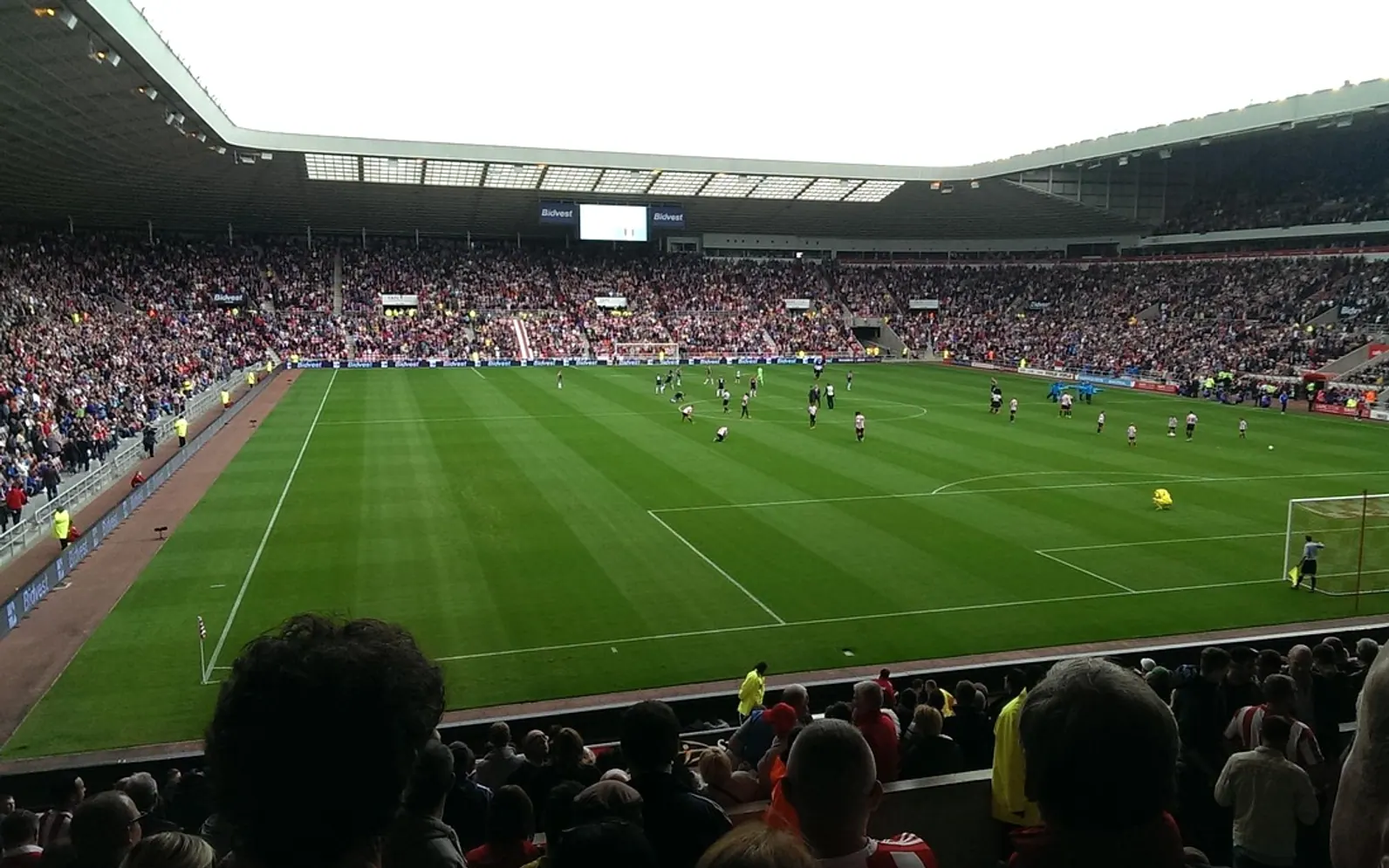
It is the last afternoon of the season and the stadium is full, yet nobody is singing about the title. The home side sits one place above the dotted line near the foot of the table, the club below it is winning elsewhere, and every fan inside the ground has a phone open to a second score. That dotted line marks the drop zone, and the system behind it is called relegation.
In soccer, relegation means a club that finishes in the lowest positions of its league is moved down to the division below for the following season. At the same time, the best teams from that lower division are promoted to take their places. The two always work together, which is why the whole arrangement is usually described as promotion and relegation.
How the system works, step by step
- Every league in a national pyramid plays its full season and produces a final table, ordered by points.
- The competition rules name a fixed number of places at the bottom that go down, often two, three or four.
- The lower division names the same number of places that go up, either automatically or through play-offs.
- When the season ends, the clubs swap divisions, and the new line-ups start again from zero points.
Because the numbers balance, each division keeps the same size from one year to the next unless the league itself decides to expand or shrink.
The drop zone and how ties are broken
Commentators call the relegation places the drop zone, and tables often shade them in red or separate them with a line. Points decide who is in it, but clubs finishing level need a tiebreaker. In many leagues that is overall goal difference, followed by goals scored; others look first at the results between the tied clubs. A single goal in March can therefore matter in May, which is why supporters at the bottom watch the goals columns as closely as the points.
Results between direct rivals carry double weight in a survival fight: a win takes points from the club you are trying to pass. Form strings and past meetings are part of how fans read those games, and the way to interpret them is set out in our piece on head-to-head records and form guides.
Automatic places and play-offs
Not every relegated or promoted club gets there the same way. Some leagues use straight swaps; others add knockout play-offs so that the race stays alive for more clubs until the end.
| Mechanism | How it works | Why leagues use it |
|---|---|---|
| Automatic relegation | The bottom clubs go down with no further games | Simple and final; the table alone decides |
| Automatic promotion | The top clubs of the lower tier go up directly | Rewards consistency over a whole season |
| Promotion play-offs | Clubs just below the automatic places meet in knockout ties for the last spot | Keeps mid-table seasons meaningful for longer |
| Relegation play-off | A club just above the drop meets a challenger from the tier below | Gives both divisions a direct say in who belongs where |
England shows the play-off idea well. In the second tier, the top two clubs usually go up automatically, while the teams finishing third to sixth play semi-finals and a final for the third promotion place. Germany's top flight uses a two-legged tie between the club in 16th place and the third-placed club of the second division, so a relegation battle there can run into an extra week. Two-legged ties of this kind are settled on the combined score, the same idea explained in our guide to aggregate scores in soccer.
An Asian example
Promotion and relegation are not only a European habit. South Korea's top division links to a second tier through a mix of a direct drop for the bottom club and play-off ties for the clubs just above it, with the exact format adjusted over the years. A late-season home game for a team near the bottom adds real tension to what is otherwise a relaxed, family-friendly day out, the kind of atmosphere described in our account of a K League match day in Seoul.
Leagues without relegation
Major League Soccer in the United States and Canada is the best-known league with no relegation at all. Clubs there join as franchises, and finishing last carries no risk of dropping into a lower division. Supporters of the closed model point to financial stability for owners; supporters of the open model say the threat of going down keeps every match meaningful. Both sides have a point, and the debate tends to resurface whenever a closed league expands.
Why relegation matters so much to clubs
Going down changes almost everything for a club. Broadcast income in a lower division is usually far smaller, sponsors may renegotiate, and players with release clauses or ambitions can leave. Some leagues soften the blow with transitional payments for recently relegated clubs, which also explains why newly relegated teams often bounce straight back: they keep more resources than the clubs they now face.
- Sporting effect: the squad plays weaker opposition but faces a longer, more physical schedule in many second tiers.
- Financial effect: lower central income, which can force player sales.
- Fan effect: different away trips, smaller rivals and, for some, a fresh enthusiasm after years of struggling.
Relegation in betting markets
Bookmakers offer long-range markets on which clubs will go down, such as "to be relegated" or "to finish bottom". These are season-long outright bets, settled on the official final table with all tiebreakers and any play-off results applied, and they work like any other futures bet: the stake is tied up for months, and prices move as injuries, managerial changes and results come in. Points deductions imposed by a league can also shift a club into or out of the drop zone, and rules on how those are settled vary between operators.
A relegation scrap is gripping to follow, but it is no easier to predict than the title race. If you choose to bet on one, you must be an adult, treat the stake as the cost of entertainment, and check first that such wagers are allowed where you live.