K League Match Day in Seoul: What a Korean Football Game Feels Like
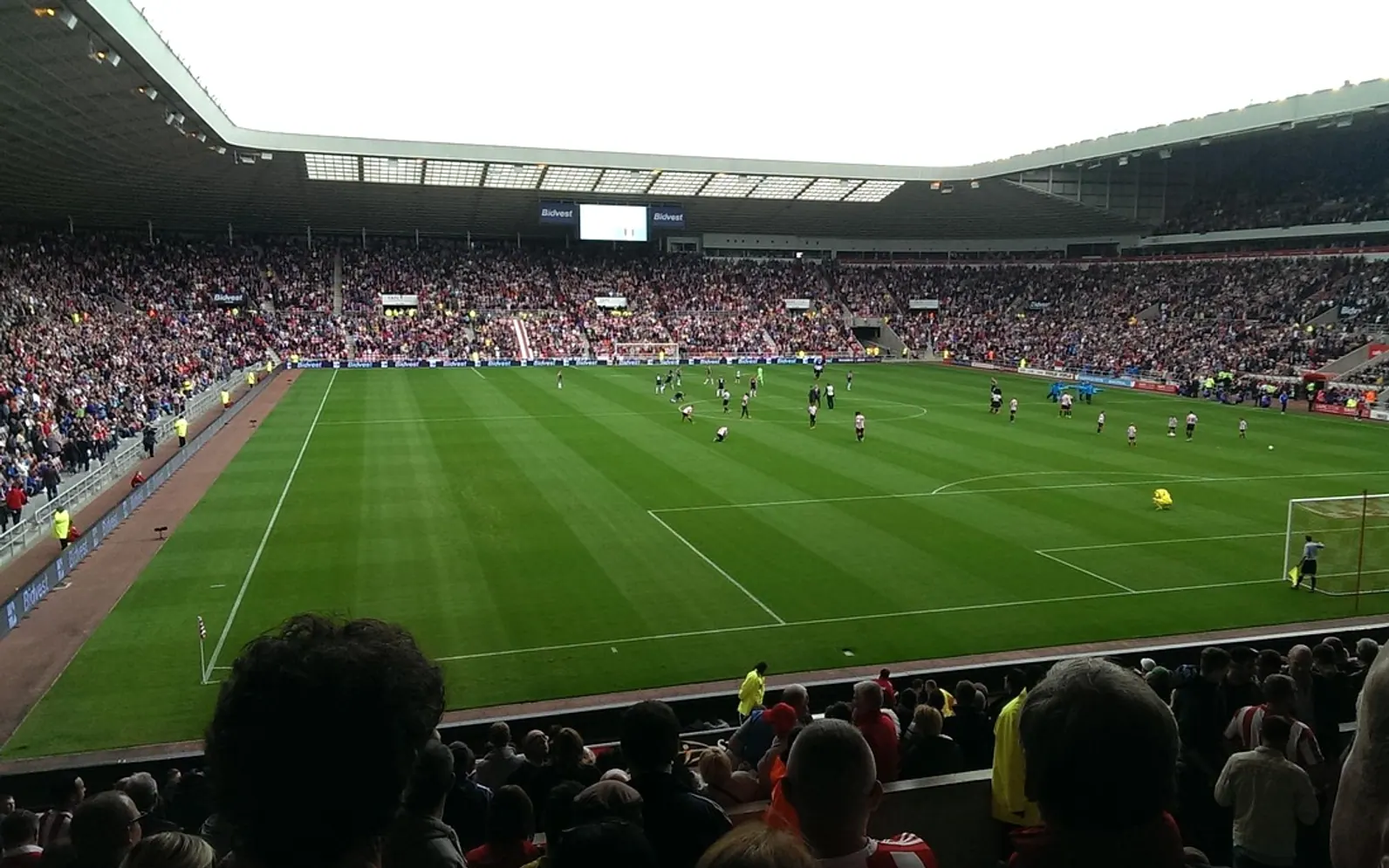
A K League match in Seoul is a relaxed, family-friendly afternoon or evening built around one loud, organised supporter section behind a goal and a much calmer crowd everywhere else. Visitors can usually buy a ticket without much planning, reach the ground by subway, pick a seat that suits how involved they want to be, and still have plenty of the night left for dinner and a round of songs in a karaoke room afterwards.
The atmosphere: two crowds in one stadium
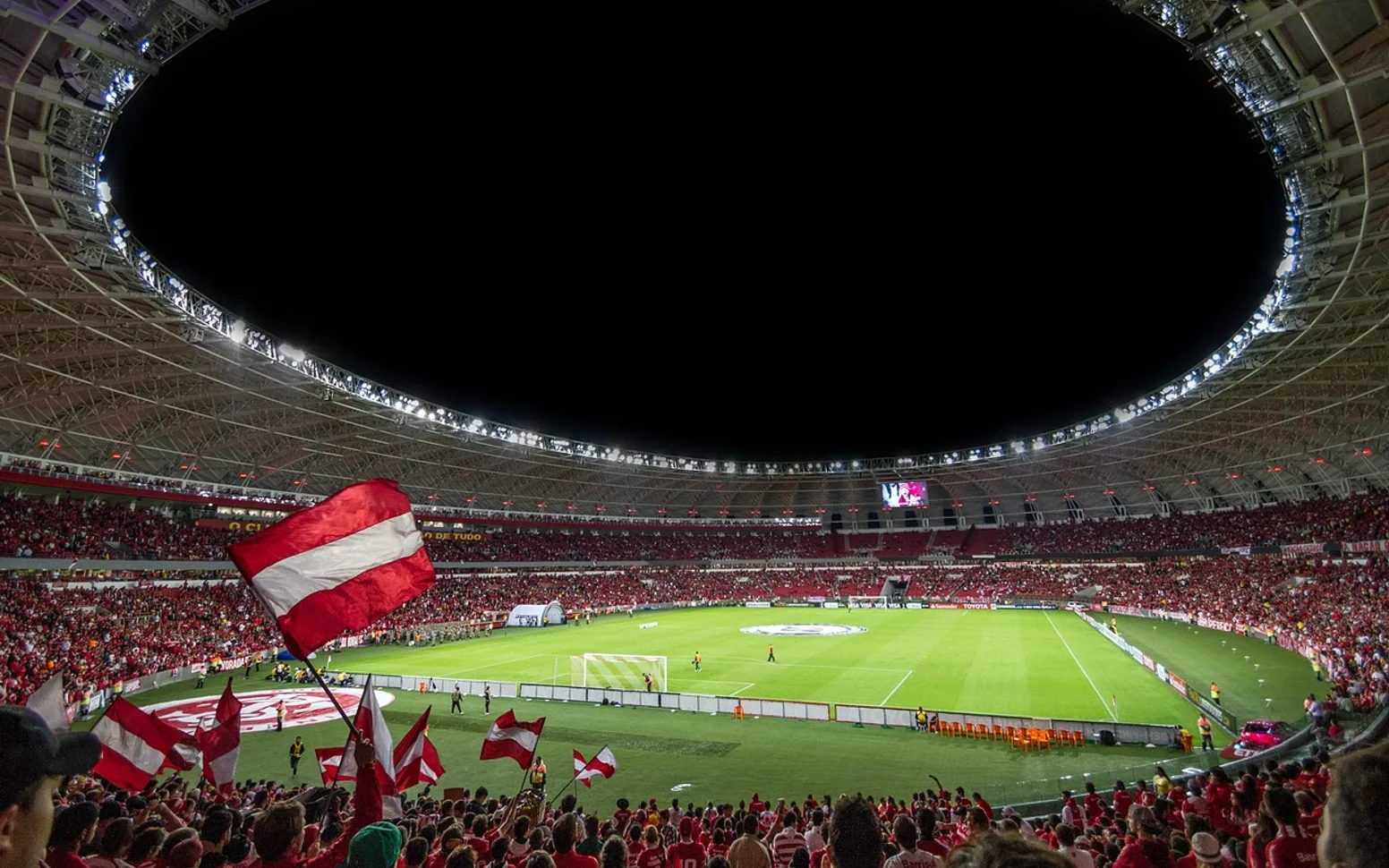
The first thing most newcomers notice is how clearly the stadium divides itself. Behind one goal stand the organised supporters: flags, banners, a drummer or two and a capo with a megaphone facing the crowd rather than the pitch. They sing for most of the ninety minutes, standing the whole time, and the chants are rehearsed rather than improvised. Some borrow familiar terrace melodies with Korean lyrics, and call-and-response routines pull the whole stadium in at key moments.
The away end, usually smaller, does the same on its own scale. Even a modest travelling group can be surprisingly noisy.
Along the sides, the mood is different. Couples, groups of students, office colleagues and parents with young children sit, chat, eat and react to the big moments. Mascots wander the concourse and nobody expects a casual spectator to know the words of anything. That split is what makes the game easy to enjoy as a first-timer: you can choose how much noise you want to be part of.
Is a K League match safe for families?
Generally, yes. Crowds are known for being orderly, rivalries are expressed through singing rather than confrontation, and stewards keep the supporter sections separate. As at any large event, keep children close in the queues at the gates and at the final whistle, when everyone heads for the same exits.
Food and drink at the ground
Stadium food in Korea leans toward things that are easy to eat in a seat. Fried chicken is the classic choice, often bought in a box outside the stadium and carried in, and it is common to see whole rows sharing it. Alongside that you will find kimbap, tteokbokki, sausages on sticks, dried squid and the usual snacks. Rules on what you may bring in vary from stadium to stadium, so check the club's guidance before packing a picnic.
Beer is sold at many grounds and is part of the social side for some fans. If you drink, keep it moderate, pace yourself over a long day and arrange a ride home that does not involve you behind the wheel.
Tickets and getting there
For most league matches, tickets are not hard to come by. Clubs sell them through their own channels and through Korean ticketing platforms, and many grounds also have a box office on match day. A few practical points help:
- Online booking sometimes requires a Korean phone number or account; if that blocks you, the stadium box office is the simpler route.
- Big fixtures such as derbies or end-of-season deciders can sell out the better sections, so buy early for those.
- Transport is almost always easiest by subway; the larger grounds sit close to stations and the network runs late enough for evening games.
- Arrive early if you want to see the supporters set up flags and banners, which is half the spectacle.
After the final whistle, taxi queues and traffic can be slow, so the train is often quicker.
Where to sit as a neutral
Seating categories differ between grounds, but the choice tends to come down to the same few options.
| Section | What it is like | Good for |
|---|---|---|
| Home supporters' end | Standing, singing, flags, constant noise | Visitors who want to join in and do not mind standing |
| Main stand, centre | Seated, clearest view of tactics and shape | Football fans who want to watch the game closely |
| Side stands and corners | Mixed crowd, quieter, often cheaper | Families and first-timers |
| Away section | Small but loud travelling support | Only if you are actually following the visiting side |
A neutral wanting atmosphere without commitment usually does well in a side stand close to the home end: you hear everything, see the choreography and can still sit down. Wearing the colours of either club is welcome, but a neutral should avoid the away kit in the home end.
Do I need to understand the league to enjoy it?
Not at all, though a little context helps the game make more sense. Knowing where each side sits in the standings explains why a late equaliser causes such a reaction, and our guide to how goal difference breaks ties in a league table covers the column that often decides close races. Before you go, it is also worth reading a short preview; our piece on reading head-to-head records and form guides shows what to look for.
A note on betting
Some visitors like to add a prediction to the day. If you do, remember that it is for adults only, it is entertainment rather than a way to earn money, and you should use only what is legal where you are. In South Korea, the state-licensed sports lottery is the only legal form of sports betting, and the rules for visitors are worth checking before you assume anything.
The evening after the match
Evening kick-offs end with plenty of night still ahead, and many fans move on together. Dinner is often Korean barbecue or a fried-chicken place near the stadium, where groups go over the result at length. From there, plenty of people take the subway across the river for a session in a private singing room, which suits a group in good spirits after a win and is just as consoling after a defeat. Visitors who read Korean and want to compare options before heading out can look at guides such as 강남 가라오케 가격 정보, which collects pricing details on karaoke in the Gangnam area.
Ordinary noraebang rooms are rented by the hour for small groups, with a screen, a song book and tambourines; larger private rooms suit a whole supporters' table. Singing a club chant into a karaoke microphone is, unsurprisingly, a popular way to end the night.
How long should I plan for the whole day?
Allow time for arriving early, the match itself, a slow exit and dinner, and the day easily fills an afternoon and evening. Plan the trip home before the last trains, and enjoy a side of Seoul football that is less about the result than about the people sharing it.