What Is a Clean Sheet in Soccer? Meaning, Credit and Betting Markets
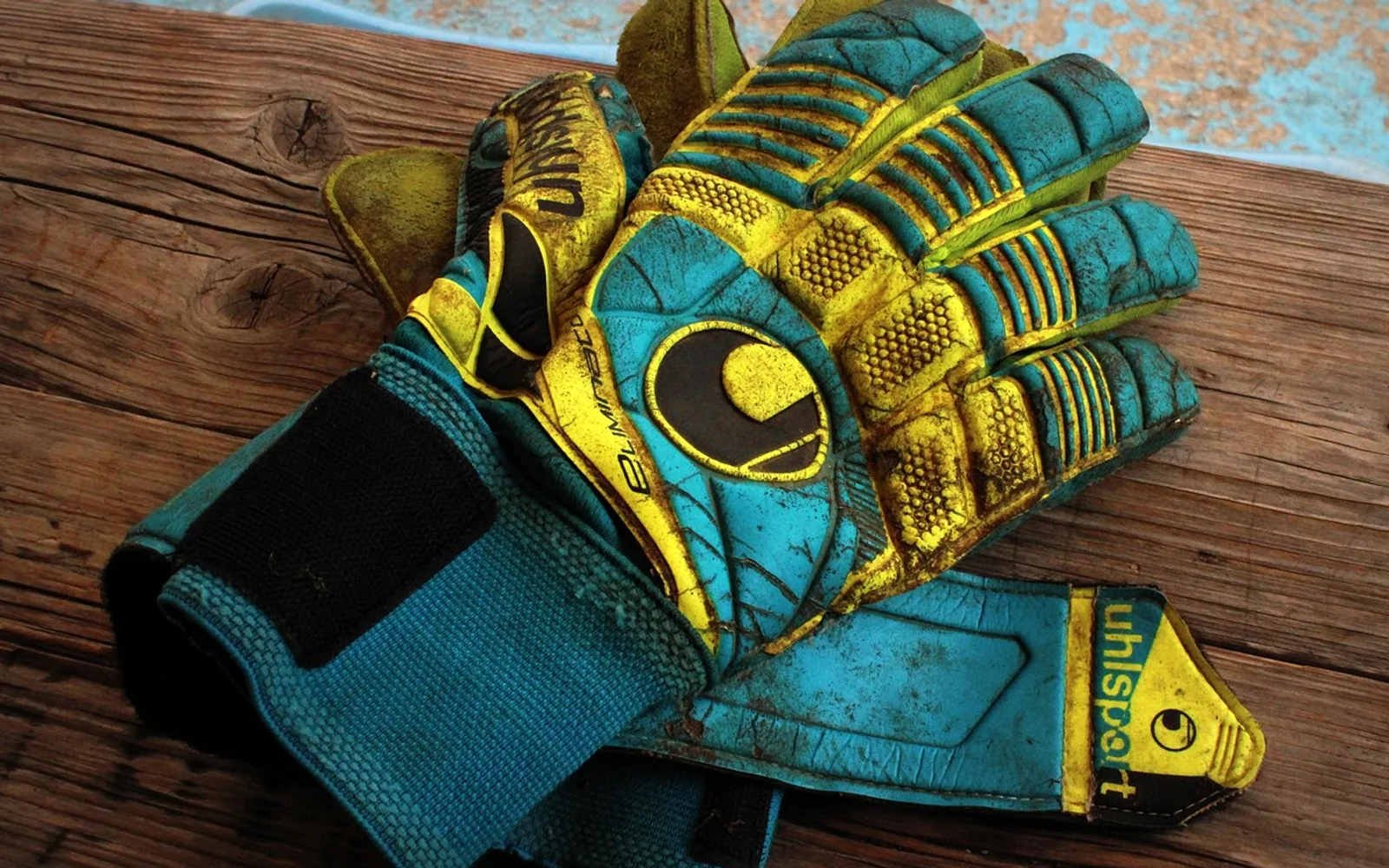
A clean sheet is a match in which a team does not concede a single goal. If the final score is 2-0, the winning side has kept a clean sheet; in a goalless draw, both teams have. The phrase is used in football (soccer) at every level, from park leagues to international tournaments, and it has grown into a statistic, an award category, a source of fantasy points and a betting market in its own right.
Where the phrase comes from
The usual explanation is a simple one: a scorer's record or match report with nothing written against a team in the goals-conceded column was left clean. Whatever the precise origin, the meaning today is fixed. It refers only to goals against, not to cards, fouls or anything else that might spoil a side's afternoon.
Who gets credit for a clean sheet?
A clean sheet belongs to the team first. In everyday football talk, though, it is most often attached to the goalkeeper, since keeping the ball out is the core of that position. Goalkeeping records and season awards commonly count clean sheets, and the English top flight's Golden Glove goes to the keeper with the most of them over a season.
Credit gets complicated when more than one goalkeeper plays in the same match. A keeper replaced at half-time with the score at 0-0 has not necessarily kept a clean sheet if a goal goes in later, and record keepers handle such cases in different ways. Fantasy football games add rules of their own, typically requiring a defender or keeper to have spent a minimum number of minutes on the pitch before clean sheet points are awarded. Whichever game or record you follow, read its own definition rather than assuming one.
What counts as conceding
For clean sheet purposes, a goal is a goal however it arrives:
- Own goals count against the team that conceded them, even though no opponent touched the ball last.
- Penalties scored during the match count, including those awarded after a video review.
- Disallowed goals do not count. If the referee rules a goal out, the sheet stays clean.
- Shoot-out kicks are not part of the match score, so a 0-0 draw decided on penalties still leaves both teams with a clean sheet in the records.
Clean sheet betting markets
Operators offer several ways to bet on goals not going in. The most direct is a yes/no question for each team: will this side keep a clean sheet? Related markets ask much the same thing from a different angle.
| Market | What has to happen | Link to a clean sheet |
|---|---|---|
| Team to keep a clean sheet: Yes | The named team concedes no goals | The pure version of the bet |
| Team to keep a clean sheet: No | The named team concedes at least once | The mirror image |
| Both teams to score: No | At least one side fails to score | Lands if either team keeps a clean sheet |
| Win to nil | The named team wins and concedes nothing | A clean sheet plus a victory |
| 0-0 correct score | Nobody scores | Both teams keep clean sheets |
Because "clean sheet: yes" also wins on a goalless draw, it covers more outcomes than winning to nil. That breadth shows in the price: the more ways a bet can land, the shorter its odds tend to be.
Some operators also offer season-long specials, such as the goalkeeper with the most clean sheets in a league. These behave like any other futures bet: the money is tied up for months and the margin is spread across many contenders.
A quick example with invented numbers
Imagine a fictional fixture between Eastbrook and Linfield Rovers, with Eastbrook priced at decimal 2.80 to keep a clean sheet. One divided by 2.80 is roughly 0.357, so the price implies about a 36 per cent chance in the operator's view, before its margin is taken out. If Eastbrook win 1-0, win 4-0 or draw 0-0, the bet wins. Any goal conceded, own goals included, means it loses. The price is made up purely to show the arithmetic; the sports betting overview explains how odds translate into implied probability in more detail.
Rules worth checking before settlement
- Regular time only. Most clean sheet bets cover 90 minutes plus stoppage time. A goal in extra time usually does not affect them, although cup ties bring their own wrinkles, covered in our guide to aggregate scores and two-legged ties.
- Abandoned matches. If a game is called off early, a bet whose outcome was already fixed, such as "clean sheet: no" after a goal, may stand, while the others are usually voided. House rules differ.
- Player and goalkeeper specials. For bets tied to an individual, the player usually has to take part, sometimes for a minimum time, or the bet may be void.
What shapes the chance of a clean sheet
There is no formula, but a few factors come up in almost every match preview:
- the attacking quality of the opponent, and whether its key forwards are fit;
- how many chances the defence usually allows, which shot data shows better than the goals column alone (see what counts as a shot on target);
- the match situation, since a team that only needs a draw may sit deeper;
- weather and pitch conditions, which can slow a game down.
Even a strong defence concedes from a deflection or a set piece now and then. Football is low scoring, so single moments swing these markets more than they would in most sports.
Is a clean sheet the same as a shutout?
Yes. "Shutout" is the term more familiar from North American sport, and US coverage of soccer often uses it too. Both describe a team or goalkeeper conceding nothing.
Does a 0-0 draw count as two clean sheets?
It does. Each team kept the other out, so each is credited with one.
Clean sheet markets are for adults, and any stake should be money you could spend on a cinema ticket without a second thought. Betting rules vary by country and state, so confirm what applies where you live first.