How Does the Champions League Work? The League Phase Format Explained
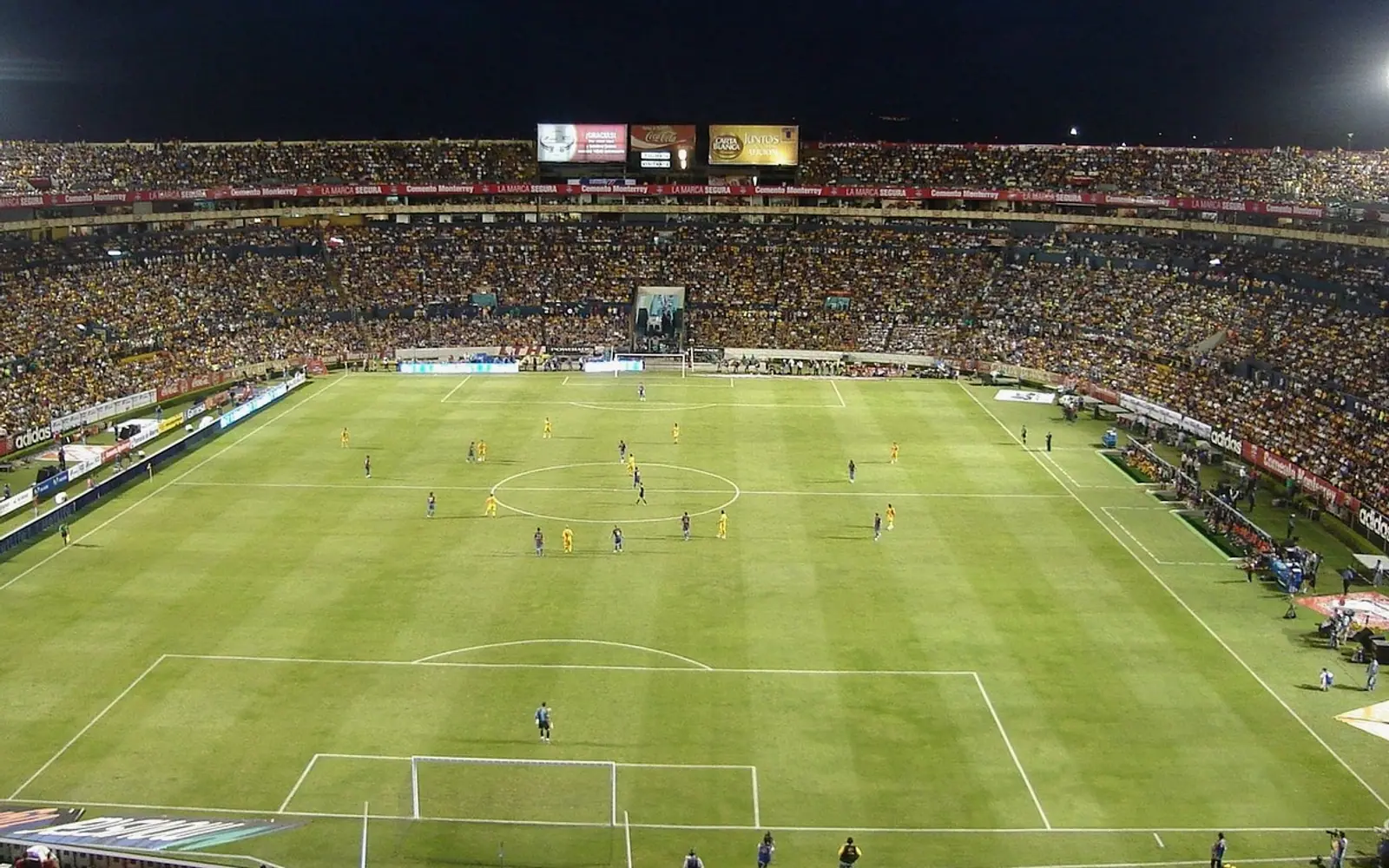
The UEFA Champions League is Europe's top club competition. Since the 2024-25 season it has started with a single league phase of 36 clubs, in which every team plays eight matches against eight different opponents and is ranked in one shared table. The top eight go straight to the round of 16, the clubs from ninth to 24th meet in a two-legged knockout play-off for the remaining places, and the bottom 12 are out. From the round of 16 onwards it is a classic knockout competition ending in a one-off final.
From groups to one big table
For two decades the competition began with eight groups of four. Each team played its three group rivals home and away, the top two in each group advanced, and the third-placed side dropped into the Europa League. The new model, often nicknamed the Swiss model, replaced those groups with a single ranking. The idea is that more clubs still have something to play for late on, because every place across a long table carries consequences.
One further change is easy to miss: clubs finishing 25th or lower no longer move across to the Europa League. Elimination is final.
How the league phase draw works
- The 36 clubs are split into four pots of nine. The holders go into the top pot, and the rest are placed mainly according to UEFA's club coefficient ranking.
- Each club is drawn against two opponents from every pot, playing one at home and one away.
- Restrictions stop clubs from the same country meeting and limit how many opponents a club can face from any single country.
- The result is eight matches per club: four at home, four away.
The ranking and its tiebreakers
All 36 clubs sit in one table, with three points for a win and one for a draw. Because no club plays every other club, head-to-head results cannot settle ties fairly, so the first tiebreakers are overall goal difference and then goals scored, followed by further criteria listed in the competition's regulations. If those terms are new, our explainer on goal difference and league tiebreakers walks through them.
What each part of the table leads to
| League phase position | Next step |
|---|---|
| 1st to 8th | Straight into the round of 16 as a seeded team |
| 9th to 24th | Two-legged knockout phase play-off; clubs placed 9th to 16th are seeded and host the second leg |
| 25th to 36th | Out of European competition for the season |
The play-off winners join the top eight in the round of 16. From there the bracket is shaped by league phase position: the higher a club finished, the kinder its path looks on paper, and the clubs in first and second place cannot meet before the final if both keep winning.
The knockout rounds
The round of 16, quarter-finals and semi-finals are all played over two legs, one at each club's ground, and the team with the higher combined score goes through. Away goals no longer act as a tiebreaker in UEFA competitions. If the aggregate score is level after the second leg, the tie goes to 30 minutes of extra time and then, if needed, a penalty shoot-out. The final is a single match at a venue chosen well in advance.
How clubs qualify in the first place
Places are shared among domestic leagues according to UEFA's association ranking, which reflects how each country's clubs have performed in Europe over the previous five seasons. The highest-ranked leagues get four direct places, smaller ones get fewer, and many clubs have to come through qualifying rounds in the summer. The new format also adds two extra places each season for the countries whose clubs did best collectively in the previous campaign. Club coefficients, built from European results, then decide pots and seedings.
Reading the format as a bettor
The structure has created markets that did not exist in the group era, alongside the familiar outright winner:
- To finish in the top eight, which is a bet on avoiding the play-off round.
- To finish in the top 24, a bet on surviving the league phase at all.
- Stage of elimination, choosing the round in which a club goes out.
- To qualify from a two-legged tie, which includes extra time and penalties.
Most of these are long-range positions on how a season unfolds, and they behave like any futures bet: wider margins, money locked up for months, and prices that shift with injuries and results. On the final matchday of the league phase every game kicks off at the same time, and the table can reshuffle several times in one evening. That is great to follow and very hard to call.
How many matches does a club play to win the trophy?
A club that finishes in the top eight plays eight league phase games and then seven knockout matches, two legs in each of three rounds plus the final, for fifteen in all. A club that has to go through the play-off round needs two more, making seventeen.
Can clubs from the same country meet?
Not in the league phase, where the draw keeps them apart. From the knockout play-off round onwards that protection no longer applies, so two clubs from one league can be paired.
Does the old group-stage history still matter?
For records and nostalgia, yes. For reading the current table, no: points totals from the group era and the league phase are not directly comparable, because the number of matches and the spread of opponents are different.
Following the Champions League is one of the pleasures of the football calendar, and it needs no wager to enjoy. Anyone who does bet on it should be an adult, work within a fixed budget and confirm the local rules first.